Evaluating the Komondor SVG Bundle for Real Embroidery Projects
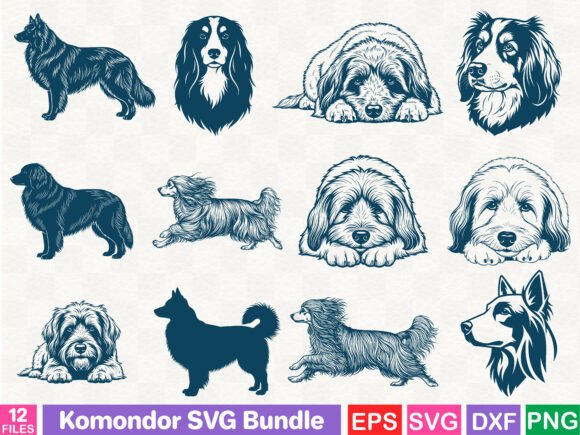
As a designer who stitches, my first question about any digital embroidery file isn't just if it looks good on screen, but how it will perform on fabric. When I opened the Komondor SVG Bundle, my initial impression was one of charming, textured character. The illustration style, with its distinct, corded coat details, creates a mood that’s both rustic and heartwarming. This isn't a generic graphic; it has a visual personality that feels handmade already.
Where This Design Finds Its Natural Home
The bundle’s theme lends itself to projects with a personal touch. I immediately pictured it on a custom tote bag for a dog lover, or as a standout feature on a cozy, heavyweight sweatshirt. For a small business selling handmade goods, this could be a beautiful centerpiece for a line of pet-themed nursery decor or kitchen towels. Its illustrative quality suggests it would translate well into an embroidered patch, something with enough detail to feel special but not so dense that it becomes a stitching challenge.
Thinking through real-life use, I considered a recent client request for a personalized baby blanket gift. The Komondor design, with its friendly and soft aesthetic, could be perfect for that application, elevating a simple blanket into a keepsake. For an Etsy seller or someone stocking a craft fair, this kind of design adds value because it tells a story—it’s not just a shape, it’s a recognizable breed with emotional appeal.
The Practical Stitching Considerations
Moving from "looks nice" to "stitches well" is crucial. With an illustration-based graphics bundle like this, the detail level is key. The bundled, cord-like details in the design are visually appealing, but in machine embroidery, they would likely translate into areas of satin stitch or clever fill stitch paths. This means paying close attention to stitch density.
On thicker fabrics like sweatshirt material or a tote bag canvas, this density would provide a lovely, substantial feel. However, on thinner fabrics like a baby onesie or a lightweight tee, that same density could lead to puckering or a stiff finished product. Here, your choice of stabilizer becomes doubly important.
Spots Where Extra Care Is Needed
I would approach this design carefully in a few specific scenarios. First, small hoop sizes. If you're trying to fit the entire design into a 4" hoop, some of the finer illustrative lines might get lost or become a blur of thread. It’s better suited for a larger area where its character can shine.
Second, dark fabric. The design, depending on the specific files, may have a lot of open space or fine lines. On a black or navy background, you need to be confident your thread color choices—probably whites and light grays—will have enough contrast for the design to read clearly. Always test on scrap fabric first, especially a piece of the actual project material.
Lastly, curved surfaces like caps. The design's likely rectangular or square layout might not adapt perfectly to the curved crown of a cap without some strategic repositioning of elements. For apparel decorators, this is a standard consideration, but it’s worth noting.
How It Elevates the Final Product
Beyond the technical, the Komondor SVG Bundle affects the perceived value of your finished work. When a design has this level of illustrative detail, the resulting handmade product feels more professional and thoughtful. It builds customer trust because it looks intentionally chosen, not generic. For a craft business, using distinctive assets like this helps with brand consistency if you're building a niche around pet lovers or rustic themes.
Its giftability is high. A monogram is personal, but a beautifully rendered breed-specific design speaks directly to a recipient's passion. That recognition creates instant engagement.
A Real Project Walk-Through: The Embroidered Tote Bag
Let's imagine I'm using the Komondor SVG Bundle for a tote bag to sell in my small shop. My process would start not with the machine, but with a black and white mockup. I'd look at the design stripped of color to check the clarity of the shapes and lines. Then, I'd stitch a sample on my actual tote bag fabric—a sturdy cotton canvas—using a mid-weight stabilizer.
I'd note how the textured areas of the design translate into stitches. Are they clean? Do they give the visual "corded" effect I want? I'd also check any smaller details, like facial features, to ensure they aren't too fine to stitch cleanly on this textured fabric. After stitching, I’d assess the thread coverage. Would it benefit from an extra thread color for depth? The answer in a sample saves a failed final product.
This test also confirms if the design works for the scale I want. A large tote panel might allow a big, bold rendition, while a smaller pouch might need a simplified element from the bundle.
Essential Designer Notes Before You Hoop Anything
My final advice, drawn from years of reviewing embroidery files for real projects, is always pragmatic.
- Always run a test stitch. Use scrap fabric that mimics your final project's weight and texture.
- Evaluate thread contrast. View the design on both light and dark background mockups. Plan your palette accordingly.
- Consider the end-use. Is this for a pillow cover that will be decorative, or a baby item that needs frequent washing? Dense stitch areas can handle washing, but they might feel stiff on soft baby cloth.
- Confirm the licensing. The product category is Illustrations and the type is Graphics. Before selling finished tote bags or commercial embroidery projects using this bundle, you must verify the license terms for commercial use. This step protects your business.
- Check the technical specs. Since specific details like exact file formats, stitch counts, or compatible hoop sizes weren't provided in the description, it’s your responsibility to open the files and check these parameters in your embroidery software before beginning. This ensures a smooth workflow.
The Komondor SVG Bundle presents a lovely, character-filled opportunity for embroidery projects. Its strength is in its distinctive style, which can transform a simple custom apparel item or personalized gift into something memorable. By approaching it with a designer’s eye for visual appeal and a stitcher’s mind for practical application, you can unlock its potential for your next real-world project.