A Pine Tree Embroidery Design for Real Projects
The First Impression: Simplicity with Strength
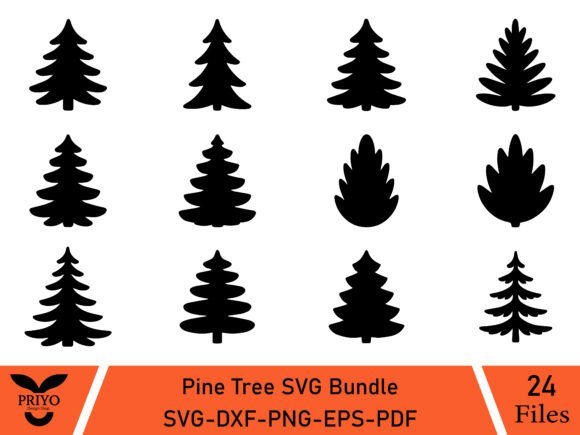
When I look at the Pine Tree SVG Bundle as an embroidery prospect, my designer’s eye immediately sees potential. The form is classic—clean lines, a solid silhouette, and an uncomplicated shape. This isn’t a fussy, over-detailed illustration; it’s a graphic with a quiet, sturdy personality. The mood it creates is calm and grounded, leaning towards timeless rather than trendy. For an embroidery project, this is a huge advantage. A design like this translates into stitches without losing its essence, making it a reliable choice for a wide range of applications.
Where This Pine Tree Belongs
In my studio, I’m always thinking about how a file will perform on the actual item. Let’s walk through a real scenario. I’m preparing a custom embroidered tote bag for a small shop that sells handmade goods. They want a natural, organic feel for their branding. The Pine Tree SVG Bundle comes to mind immediately. Its clear, bold outline means it will stitch out crisply on the bag’s canvas fabric. I imagine it in a deep forest green thread, maybe with a simple satin stitch border for the trunk. It feels right—it conveys quality without being loud, perfect for a boutique product that needs to look professional and handmade.
This thinking extends to many other items. For a client’s line of embroidered sweatshirts, this pine tree would offer a clean, masculine aesthetic. On a baby’s knit blanket, scaled down, it becomes a gentle, soothing decorative accent. As an applique design on a durable apron, it would hold up beautifully to washing. The key is its versatility as a graphic; it’s a shape that carries meaning without needing intricate detail, making it suitable for custom apparel, pillow covers, caps, and even embroidered patches.
Visual Appeal and Practical Value
Using a design like this affects the final product in several important ways. First, stitching clarity. A simple, well-defined shape ensures the embroidered lines are sharp and recognizable, which builds customer trust in the quality of the work. On a personalized gift like a kitchen towel, it looks intentional and crafted, not messy. For an Etsy seller or a craft fair vendor, this consistency across products—say, on a series of tea towels and totes—helps establish a cohesive brand. The design’s inherent giftability and recognition as a classic symbol of nature can directly boost buyer engagement.
Navigating the Stitching Landscape
While the Pine Tree SVG Bundle is adaptable, a practical review requires noting where it should be used with extra care. Its success hinges on reading the context of the project.
- Small hoop sizes: If you’re thinking of a tiny version for a baby item or a hat, you need to check that the design’s essential shape remains clear when minimized. Some simpler graphics compress well, but you must test.
- Textured or stretchy fabrics: On a slub knit sweatshirt or a thin t-shirt, the fill stitch areas—if the design includes them—need proper stabilizer to prevent puckering and maintain the clean look.
- Dark fabric backgrounds: This is a classic consideration. You might need to adjust thread color choices or even consider a lighter underlay to make the pine tree pop on dark garments.
- Curved surfaces: Embroidering this on a cap requires attention to how the flat graphic adapts to the curved panel. The layout might need slight tweaking in your machine software to keep it looking balanced.
The product description mentions uses for prints and mugs, which tells me it’s conceived as a versatile graphic. For machine embroidery, this means the core shape is likely robust. However, the description doesn’t specify exact stitch counts or file formats tailored for embroidery machines. This is a crucial point: always confirm that the files in the bundle are suitable for your specific embroidery software and machine before committing to a client project.
A Designer’s Practical Notes Before Hooping
Before I stitch this onto any final product, my process involves a few non-negotiable steps. I’d advise any fellow maker, from the hobbyist to the commercial embroidery business owner, to do the same.
- Test on scrap fabric first. Use the same material as your final project—a piece of canvas for a tote, or a knit scrap for a sweatshirt. This reveals how the embroidery file handles the fabric’s texture and whether the stitch density feels right.
- Check thread color contrast against both light and dark backgrounds. Create simple black and white mockups or stitch small samples to see the visual impact.
- Review the design’s small details in your software. Are there any tiny corners or potential thread traps that might need a slight adjustment for a cleaner stitch-out?
- Confirm the licensing terms explicitly. The description doesn’t detail license terms. Before selling any finished product or using it in digital product previews for your shop, you must know if the Pine Tree SVG Bundle is cleared for commercial use.
- Consider the hoop size in relation to your item. A large pine tree on a pillow cover might be stunning, but a small one on a tea towel might be more practical. Plan the size to match the product’s proportions.
The Final Stitch: A Reliable Asset for Makers
From my perspective, reviewing this as a graphics bundle for real-world use, the Pine Tree SVG Bundle presents itself as a solid, workhorse design. It doesn’t try to do too much, which in embroidery, is often a strength. It offers a clear, recognizable theme that can be adapted to convey rustic charm, personal style, or brand identity on a finished product. For the craft business owner looking for dependable design assets, or the hobbyist creating a series of holiday embroidery gifts, it’s a shape that can carry meaning through clean stitches.
The real value emerges when you pair this straightforward graphic with thoughtful execution: the right fabric, the considered thread palette, and a solid understanding of your embroidery machine’s capabilities. It’s a design that, when stitched well, can elevate a simple tote bag or a child’s blanket into a piece that feels both handmade and professionally finished. That’s the kind of practical, aesthetic win I look for in any design before I bring it into my workflow or recommend it to fellow makers.