Wolf Head SVG Bundle Review: From Digital File to Embroidered Reality
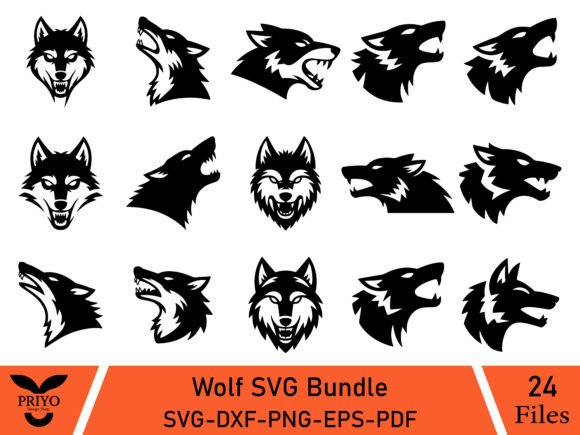
Let’s talk about this Wolf Head SVG Bundle. As a designer who regularly turns digital files into physical, stitched products, my first question is always: how will this actually translate into thread and fabric? This bundle isn't just a graphic; it’s a potential asset for your next embroidery project, whether that’s a custom sweatshirt for a client or a line of tote bags for your shop. So, let’s evaluate it from that practical, hands-on perspective.
The First Impression: Mood, Detail, and Project Fit
Opening a design bundle, you get a sense of its personality immediately. Wolf themes carry a certain weight—they speak to wilderness, strength, independence, and a rugged elegance. This bundle, as an illustration set, likely leans into that visual language. The shapes and layouts are the first thing I assess. Are they clean, with defined lines that will convert well into stitch paths? A design with too many tiny, intricate details can become a muddy mess when embroidered, especially on textured fabrics like fleece or canvas. From the description, its versatility for prints and apparel suggests the artwork has a strong, recognizable form, which is a great starting point for embroidery.
This isn’t a hyper-realistic, overly detailed illustration. It’s probably more of a stylized, graphic representation. That’s actually a plus for many embroidery applications. It means the design will maintain its clarity when stitched. It naturally belongs on items that carry a bold, statement-making vibe. Think a heavyweight sweatshirt, a sturdy canvas tote bag, or a denim jacket patch. It could also work beautifully on home decor like a pillow cover or a tea towel for a cabin-themed kitchen. The mood it creates is confident and grounded, which appeals to a specific customer looking for that aesthetic.
Putting It Into Practice: Real Embroidery Scenarios
Now, imagine you’ve purchased this Wolf SVG Bundle. You’re preparing to stitch it onto a custom order—a high-quality cotton tote bag for a boutique. You’ve digitized the SVG file for your machine. The first practical test is always a scrap piece of the same fabric. Here’s where you observe how the design performs.
The clean lines of a wolf head illustration usually translate well into satin stitches for borders and fill stitches for larger areas. On that tote bag, you’ll want to check the stitch density. Too dense, and the design becomes stiff and may pucker the fabric; too light, and it loses visual impact. A graphic-style design often allows for nice, manageable fill areas that won’t overwhelm the hoop or the fabric. On apparel like t-shirts or baby clothes, you’d be more cautious. For a baby blanket or nursery decor item, a softer, simplified version of the design might be ideal, ensuring it’s gentle and safe.
For commercial projects—say, a line of embroidered caps for a small outdoor brand—this bundle’s consistency is key. Using multiple wolf head designs from the same bundle across different products (caps, patches, aprons) creates strong brand cohesion. The recognizable theme builds customer recognition and trust in your handmade presentation. As a holiday gift, like an embroidered flannel pillow cover, it feels personal and thoughtfully crafted, elevating its giftability.
Where To Exercise Caution: Fabric and Application
Not every design fits every surface. With this Wolf Head Bundle, you need to think about scale and fabric type. Small hoop sizes are a primary consideration. If the design has any fine details, like subtle inner linework or tiny accents, shrinking it down for a cap’s curved front or a baby bib might cause those details to get lost or become a thread-clumping nightmare. Always inspect those small details in your digitizing software before committing.
Textured or stretchy fabrics also demand attention. Stitching a bold wolf head onto a thin, stretchy knit t-shirt requires excellent stabilizer and potentially adjusting the stitch density to prevent distortion. On dark fabrics, your thread color contrast is paramount. A design with a lot of open, negative space might need a slightly altered color palette to stand out powerfully on black or navy garments. I always advise testing on both light and dark scrap fabric to judge this visual appeal and stitching clarity.
Products that will undergo frequent washing, like kitchen towels or everyday sweatshirts, need a robust stitch structure. Check that the design’s key anchor points and stitch paths are secure. A graphic with large, solid fill areas can hold up well, but ensure your digitizing has reinforced the edges to prevent premature fraying in the wash.
Practical Designer Notes Before You Stitch
Before you load this embroidery file into your machine for a real client project or your next craft fair product, here’s my routine checklist:
- Run a test on scrap fabric that matches your final product’s weight and texture. This reveals puckering, thread tension issues, or detail loss firsthand.
- Check thread color contrast against your final fabric color. Sometimes a digital mockup looks perfect, but the real thread on dark fabric needs a brighter highlight color.
- Review the stitch density in your digitized version. Aim for a balance that looks solid but doesn’t make the fabric rigid.
- Confirm your intended hoop size can accommodate the design at the size you want. Resizing a design can dramatically alter its stitch count and clarity.
- Create simple black and white printable mockups for your Etsy listings or product previews. This helps customers visualize the final embroidered product.
- Use the proper stabilizer for your fabric. This is non-negotiable for professional results.
- Most critically, confirm the licensing terms of this Graphics bundle before selling finished items or digital products. Understand whether it’s cleared for personal and commercial use to protect your craft business.
The Final Stitch: Value, Engagement, and Professionalism
Using a well-crafted design bundle like this elevates your work. When a customer sees a clean, bold wolf head embroidered on their custom tote, the visual appeal is immediate. It feels intentional and professional, which builds buyer engagement and loyalty. For a small shop product, it enhances the perceived value of the handmade item. It tells a story.
As a designer, I appreciate bundles that give me flexibility. This Wolf Head SVG Bundle, as an Illustrations set, likely offers multiple variations or orientations. That allows me to tailor the design to different products—a more horizontal layout for a pillow, a more compact version for a cap. That adaptability is a huge asset for creative entrepreneurs managing diverse product lines.
In the end, the transition from a digital graphic to a physical embroidered product is the true test. This design bundle, with its strong thematic shape and likely graphic style, has the foundation to pass that test. It can become a reliable asset for your embroidery projects, from personalized gifts to commercial merchandise. Just remember the practical steps: test, adapt, and always stitch with the final product and its wearer in mind. That’s how a digital file becomes a beloved, finished product.