Using a Vintage Eye of Horus Bundle for Modern Web Graphics
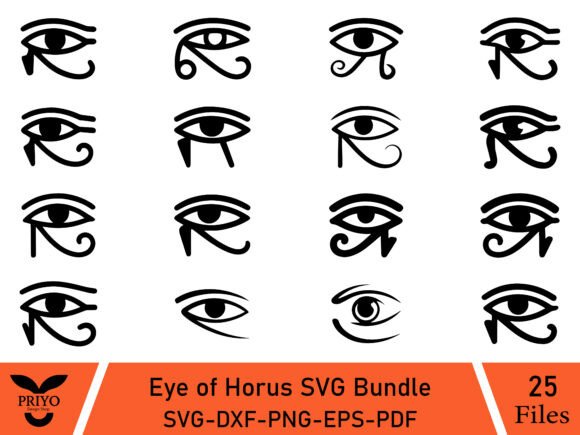
When you’re managing a content website, the first impression is everything. A visitor’s trust, their willingness to click, and their perception of your editorial quality are all shaped within seconds by your visual communication. As a blog designer, I constantly evaluate new graphic design assets for their real-world publishing potential. Today, I’m reviewing a specific set: the Eye of Horus SVG Bundle, categorized under Illustrations and Graphics.
The Editorial Mood: A Blend of Mystery and Artistic Authority
Opening this bundle, the immediate impression is one of vintage elegance and symbolic depth. This isn't a playful or minimalist design; it carries a weight of history and artistry. For a publisher, this creates an editorial mood of mystery, knowledge, and a touch of the occult. It naturally supports content niches focused on spirituality, mythology, history, alternative lifestyles, artistic studies, or even high-end decorative arts. The style feels artistic, decorative, and bold, not corporate or overly serious. It tells a reader that your content is researched, thoughtful, and visually crafted.
Real Publishing Workflow: From Blog Featured Images to Lead Magnets
Imagine you’re preparing a series of articles on ancient symbols or creating a digital guide on Egyptian mythology. Here’s how this asset fits into a real publishing workflow.
First, for blog featured images and article headers, a vector from this bundle provides a powerful focal point. Its intricate lines create a clear visual hierarchy, immediately drawing the eye. This is crucial for click-through potential from social media or search results. For Pinterest graphics, this design stands out in a crowded feed—its iconic shape is recognizable even as a thumbnail, making it ideal for driving traffic.
Beyond the blog post, this bundle excels in supporting downloadable resources. Use a simplified version for a lead magnet cover, like an eBook or a digital guide on symbolism. It instantly makes your content upgrade look polished and valuable. For newsletter headers or a series of social media graphics, it provides consistent branding. A reader seeing the same stylistic motif across your website, your email, and your Instagram builds category recognition and reinforces your visual identity.
Where This Design Asset Works Best
- Hero images for category pages on history or art.
- Article thumbnails that need to convey a specific, niche topic.
- Pinterest pins for visual search and affiliate content visuals.
- Editorial accents within long-form articles, breaking up text.
- Downloadable resources like worksheet covers or printable designs.
- Newsletter headers to establish a thematic tone.
- Social media previews for link-sharing, enhancing content marketing.
Supporting Content Performance and Reader Trust
A strong blog graphic isn't just decoration; it’s a performance tool. Using a professionally crafted SVG like this supports several key outcomes. It creates a stronger first impression, signaling that your site is curated and credible. This directly impacts reader trust. It improves the professionalism of your entire content page, making affiliate recommendations or educational material feel more authoritative. For a small business branding a blog around a creative niche, this consistency across website headers, digital products, and Canva templates builds a cohesive and memorable brand.
Practical Publisher Notes for Safe Implementation
Before deploying any new asset, I run practical tests. For this Eye of Horus bundle, here’s my checklist.
- Test on desktop and mobile screens: The intricate details must remain clear on smaller displays.
- Check thumbnail visibility: Does the core symbol remain identifiable at 150x150 pixels?
- Preview inside a real blog layout: Place it beside your headline text. I test it with various fonts: a clean sans serif for modernity, a serif font for tradition, and even a script font for artistic flair to see which pairing strengthens the editorial design.
- Check contrast and readability: Ensure text overlaid or nearby remains legible. Try the design on dark and light backgrounds.
- Review file size and compress properly: For web design performance, optimized SVGs ensure fast loading.
- Confirm commercial licensing: For use on monetized websites, affiliate pages, or paid digital downloads, always verify the license covers commercial design use.
Careful Application: When This Style Might Not Fit
While versatile for creative niches, this asset should be used carefully in certain contexts. On small mobile thumbnails, if the detail is too fine, it may become a blur. Avoid placing it on text-heavy blog images where it could compete with information. It might clash with busy layouts or overwhelm a minimalist aesthetic. For serious professional niches like finance or corporate law, its mystical tone could undermine the intended message. The key is alignment: the design asset must match the editorial voice.
Final Thoughts for Content Creators
The true value of a bundle like this for bloggers, affiliate marketers, and online educators is in its creative design versatility. As the description suggests, it’s ideal for various tasks—but for a digital publisher, its greatest strength is in elevating visual communication. It transforms a standard blog post into a visually engaging experience, a downloadable PDF into a desirable digital product, and a social post into a compelling click. In a landscape where polished presentation is non-negotiable, such illustrations from the creative marketplace become essential tools for building a reputable, clickable, and trusted content platform.