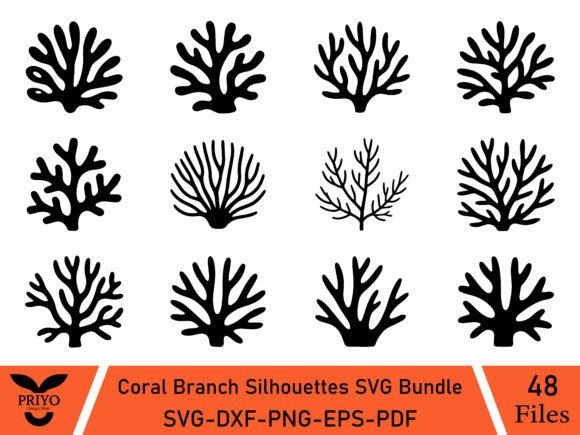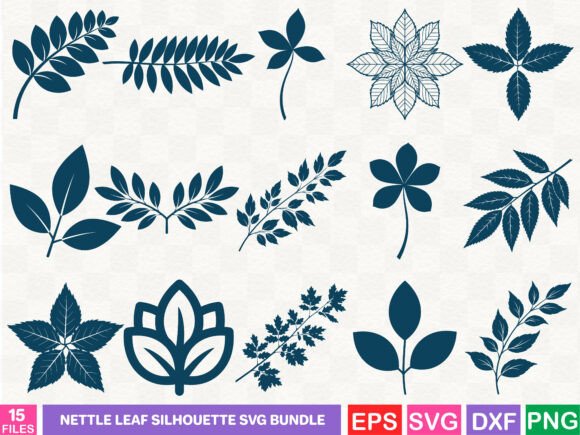
Botanical Branch Leaf SVG Graphics
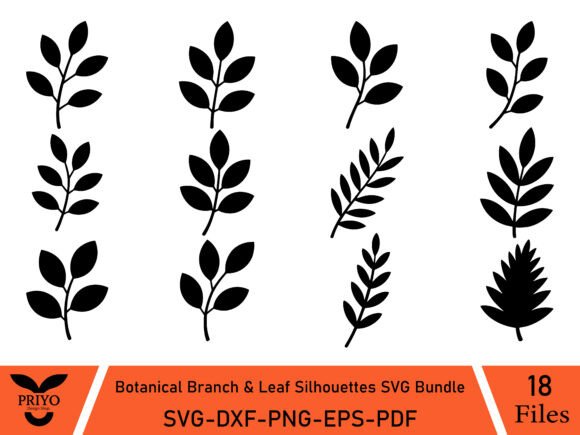
As a digital publisher, my first task when reviewing any new graphic design asset is to envision it within a real publishing workflow. Opening the Botanical Branch Leaf Silhouettes SVG bundle, the immediate impression is one of serene elegance. These illustrations carry a distinctly lifestyle-focused, yet clean and artistic mood. They don’t scream; they whisper a sense of calm, nature, and curated beauty, making them a natural fit for content niches around wellness, gardening, sustainable living, homemaking, and creative entrepreneurship.
Why These Silhouettes Work for Editorial Trust
Reader perception is heavily influenced by visual cues. Using generic, cluttered, or amateurish blog graphics can subtly undermine trust. These botanical branch assets, however, signal editorial quality. Their clean lines and cohesive silhouette style create a polished backdrop, allowing your written content to feel more authoritative and thoughtfully presented. This isn’t just decoration; it’s visual communication that supports your credibility.
A Publisher’s Toolkit: Real Uses in Content Workflow
Let’s translate this into the daily grind of content creation. Imagine you’re preparing a blog post on “Creating a Calm Home Sanctuary.” Your featured image needs to be clickable. Here, a leafy branch SVG can form the foundational graphic. Overlaid with a strong headline, it becomes a compelling hero image.
For Pinterest, where visuals drive traffic, these graphics are gold. A custom pin using a layered branch design feels more original and brand-aligned than a stock photo, boosting click-through potential. The same principle applies to newsletter headers, digital guide covers, and downloadable worksheet decorations. They provide a consistent visual identity across your content upgrades and lead magnets.
- Blog & Website: Featured images, article headers, category thumbnails, website banners, sidebar accents.
- Social & Marketing: Pinterest pin graphics, Instagram post templates, Facebook cover art, digital ad visuals.
- Digital Products: eBook covers, printable design elements, Canva template resources, media kit decorations.
- Content Systems: Newsletter graphics, affiliate content visuals, online course materials, downloadable resource borders.
Supporting Performance: Beyond Just Looking Nice
The strategic use of such a design asset directly supports content performance. A stronger first impression on a blog post or landing page can reduce bounce rates. A clearer visual hierarchy—where the graphic frames your headline—guides the reader’s eye. For affiliate marketers, a professional-looking visual on a review page can enhance the perceived value of the recommended product. It’s about making your entire content ecosystem look intentional, which builds stronger brand recognition over time.
Where This Botanical Asset Shines Brightest
Its sweet spot is in spaces that benefit from a touch of organic decoration without overwhelm. Use it boldly as a large-scale backdrop for hero images or Pinterest pins. Employ it as a delicate accent in the corners of editorial layouts or digital guides. It works beautifully for category visuals on a lifestyle blog, signaling “nature” or “home” topics instantly. For newsletter headers and social media previews, it creates immediate thematic recognition.
Notes for Careful Application
While versatile, some applications require caution. In very small mobile thumbnails, intricate branches may become indistinct blobs. Over a text-heavy blog image, ensure the silhouette provides enough clear space for readability—avoid low-contrast, busy overlaps. For serious corporate or technical niches (like finance or law), this aesthetic might feel misplaced. The mood is artistic and lifestyle-oriented, not starkly minimal or corporate.
Practical Publisher Notes Before You Hit Publish
Always test a graphic design asset in context. Preview these Botanical Branch Leaf Silhouettes SVG files inside your actual blog layout. See how they render on desktop and mobile screens. Crucially, check how they look as a tiny thumbnail—that’s often a reader’s first glimpse.
Test them with your headline text. Try combinations: place a branch beside a classic serif font for a traditional editorial feel, or pair it with a clean sans-serif for a modern look. Experiment with script fonts for a feminine touch or bold display fonts for emphasis. Always review contrast and readability.
For web performance, ensure you optimize the final image file. SVGs are often scalable and efficient, but once integrated into a larger composite graphic for a blog, proper compression is key. Finally, confirm the commercial licensing terms. If you’re using this on monetized websites, affiliate pages, or within paid digital products like Canva templates, you must have clear rights for commercial use. A reliable asset from a creative marketplace should provide this clarity, allowing you to focus on creating professional-looking content pages without legal worry.
Ultimately, this bundle is more than just graphics for prints or mugs. For a publisher, it’s a tool for building a more visually cohesive and trustworthy content platform. When your blog graphics, editorial design, and social media visuals speak the same quiet, elegant language, you communicate not just information, but a brand.